Dover Estates / Air Duct Care
Service details
for the system at home.
Find guides for registers, return grilles, ducts and accessible equipment. Gather the component information and access notes that help define the visit.
 Your home.
 Our starting point.
CARE FOR EVERY CORNER
Explore the work we can help you understand.
A LITTLE UNDERSTANDING HELPS
Behind the everyday.
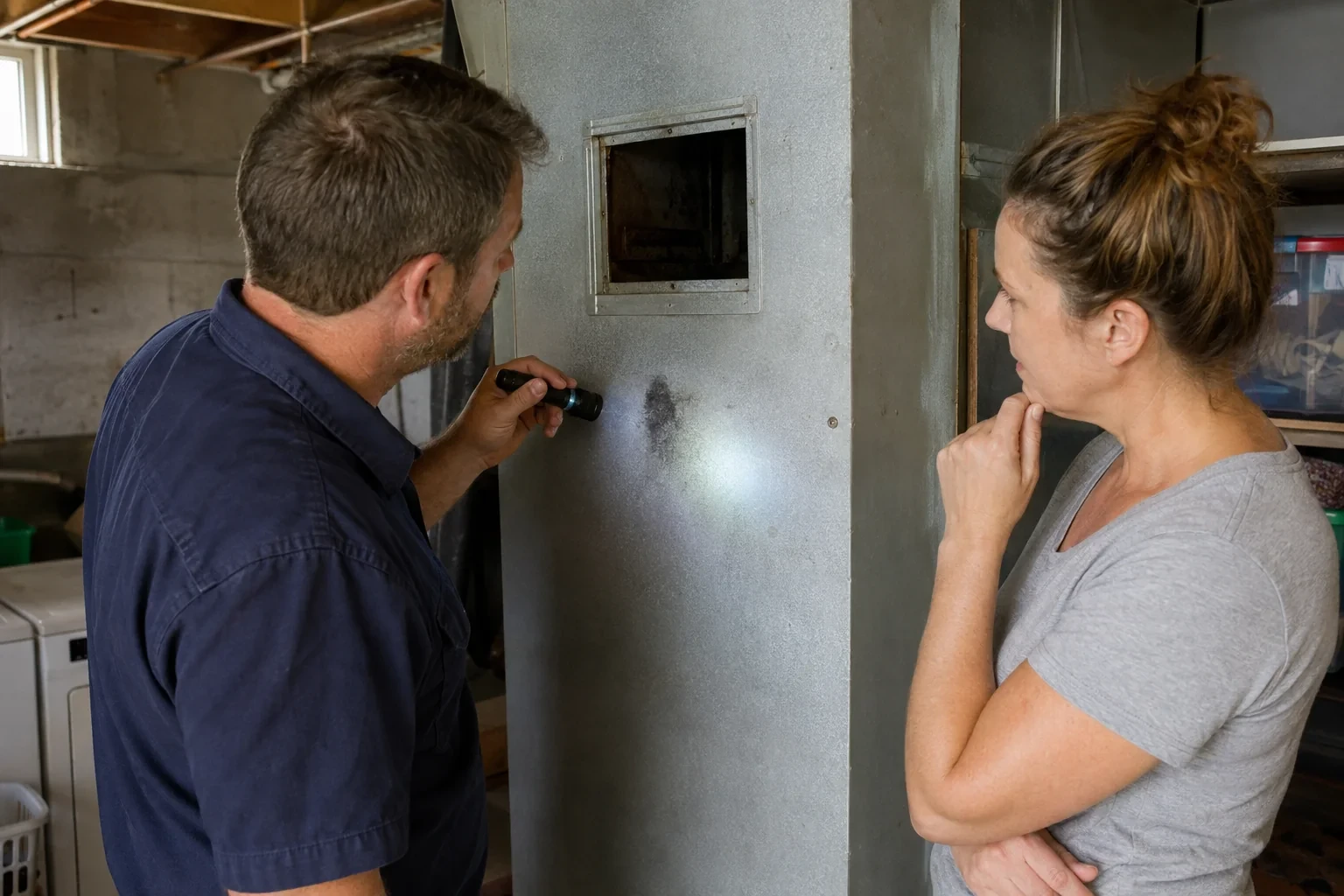
Look inside. Decide with evidence.
Describe the concern
Explain visible debris, moisture, pests or recent renovation work. Identify when and where the issue appears.
Look at accessible components
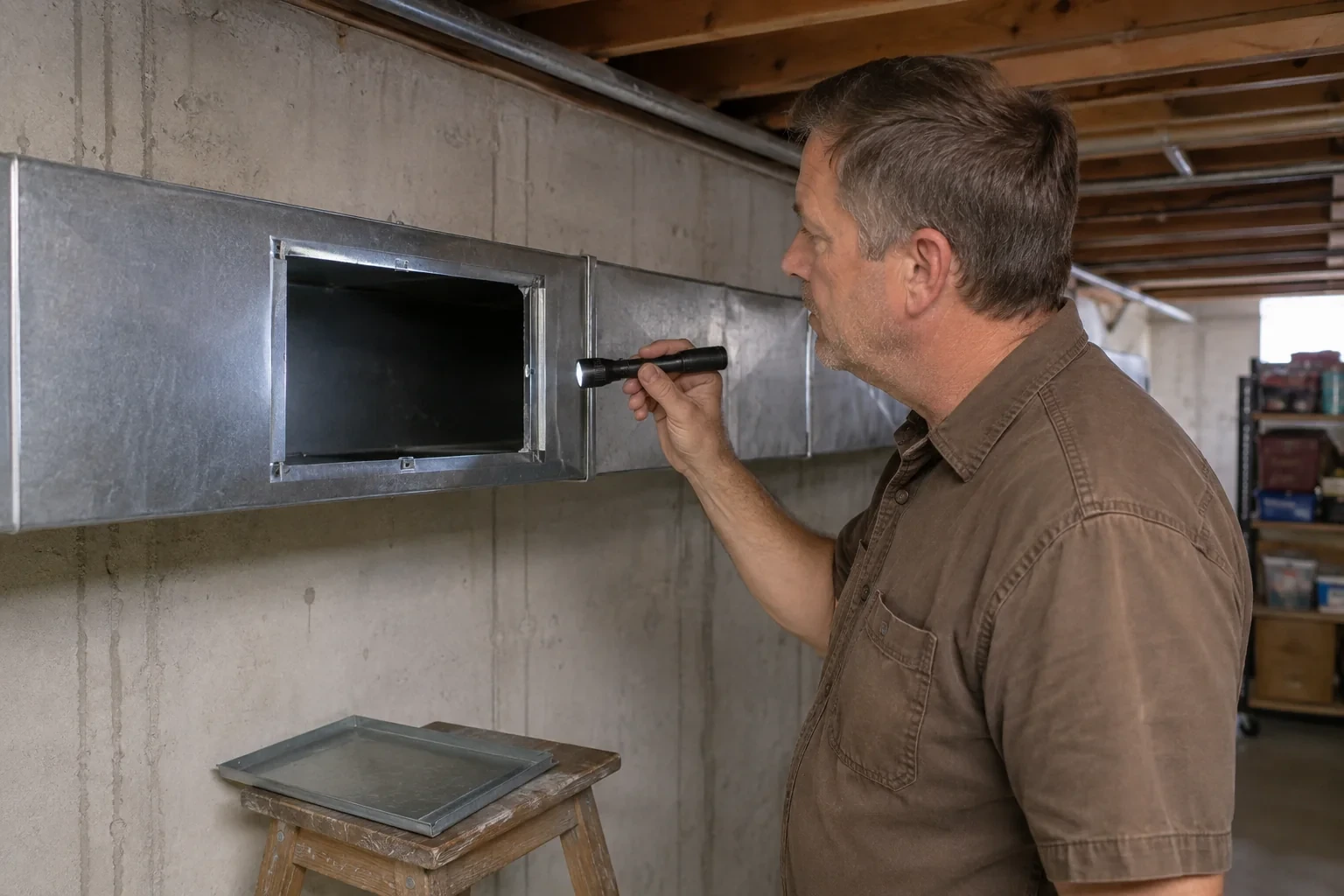
Ask which supply and return sections, registers and air-handler components can be assessed, and which areas cannot be reached.
Agree on an evidence-based scope
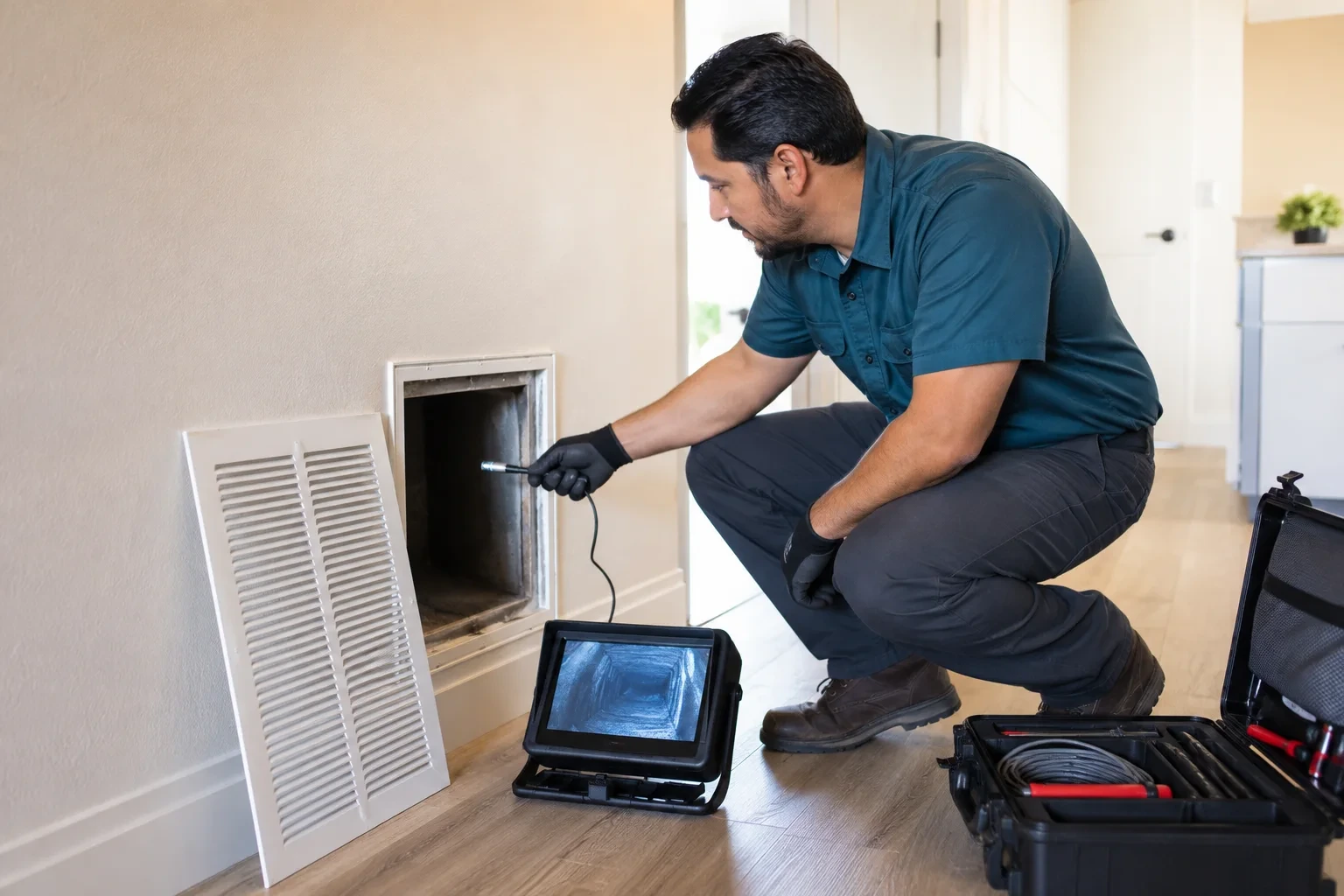
Request images tied to component locations and a written explanation of proposed cleaning, repair or referral. A finding should lead to a specific next step.
Around your home
Familiar spaces. Thoughtful care.
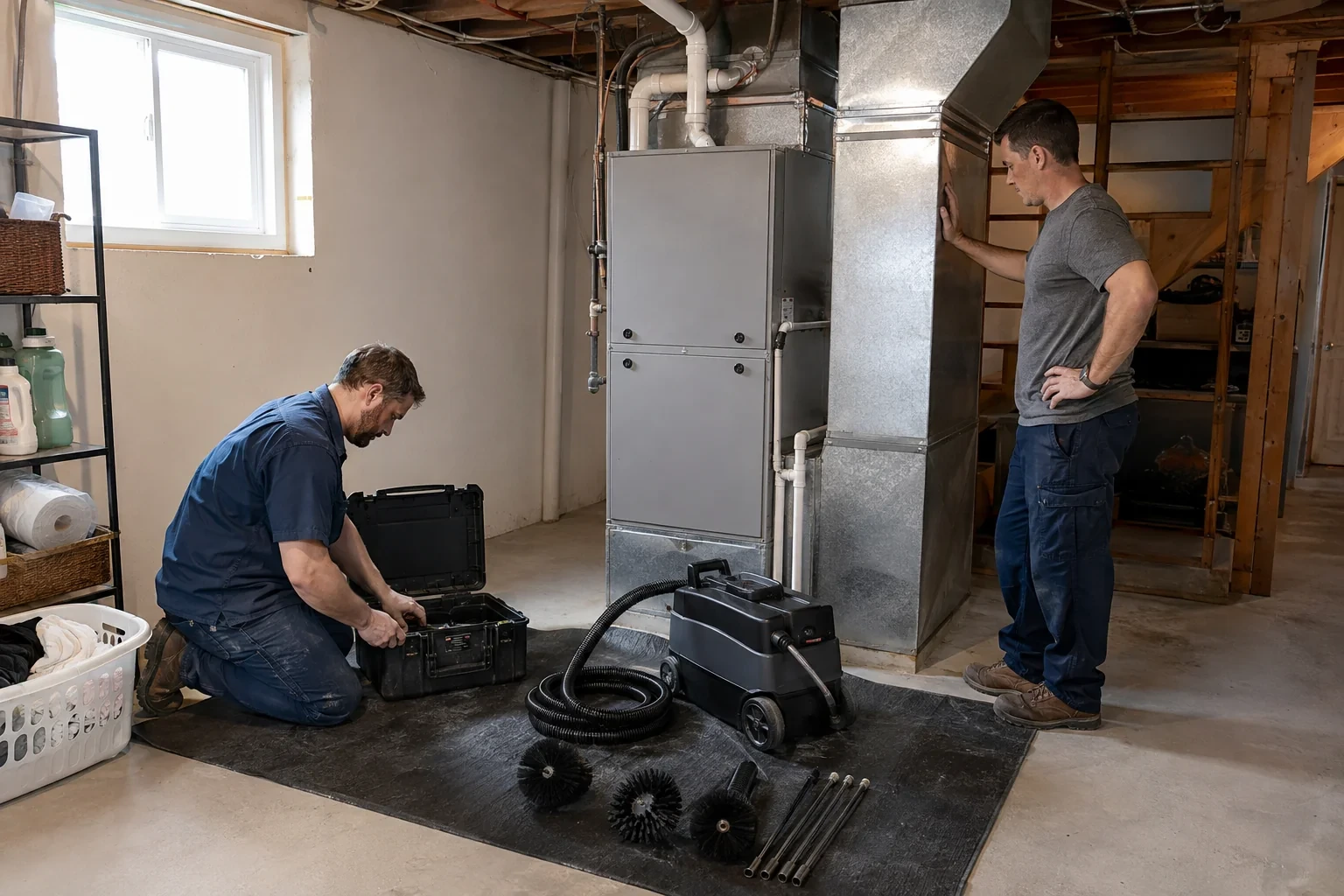
Illustrative service photography; not a portfolio of completed customer jobs.
FIND YOUR KIND OF HELP
A closer look at the services.
Assessment & Documentation
Duct Condition Assessment
There is visible debris, an odor, moisture, pests, or a concern that needs to be checked rather than assumed.
Explore the service →Whole-System Cleaning
Whole HVAC System Cleaning
The assessment documents substantial debris, pests, or visible contamination across more than one system component.
Explore the service →Component Care
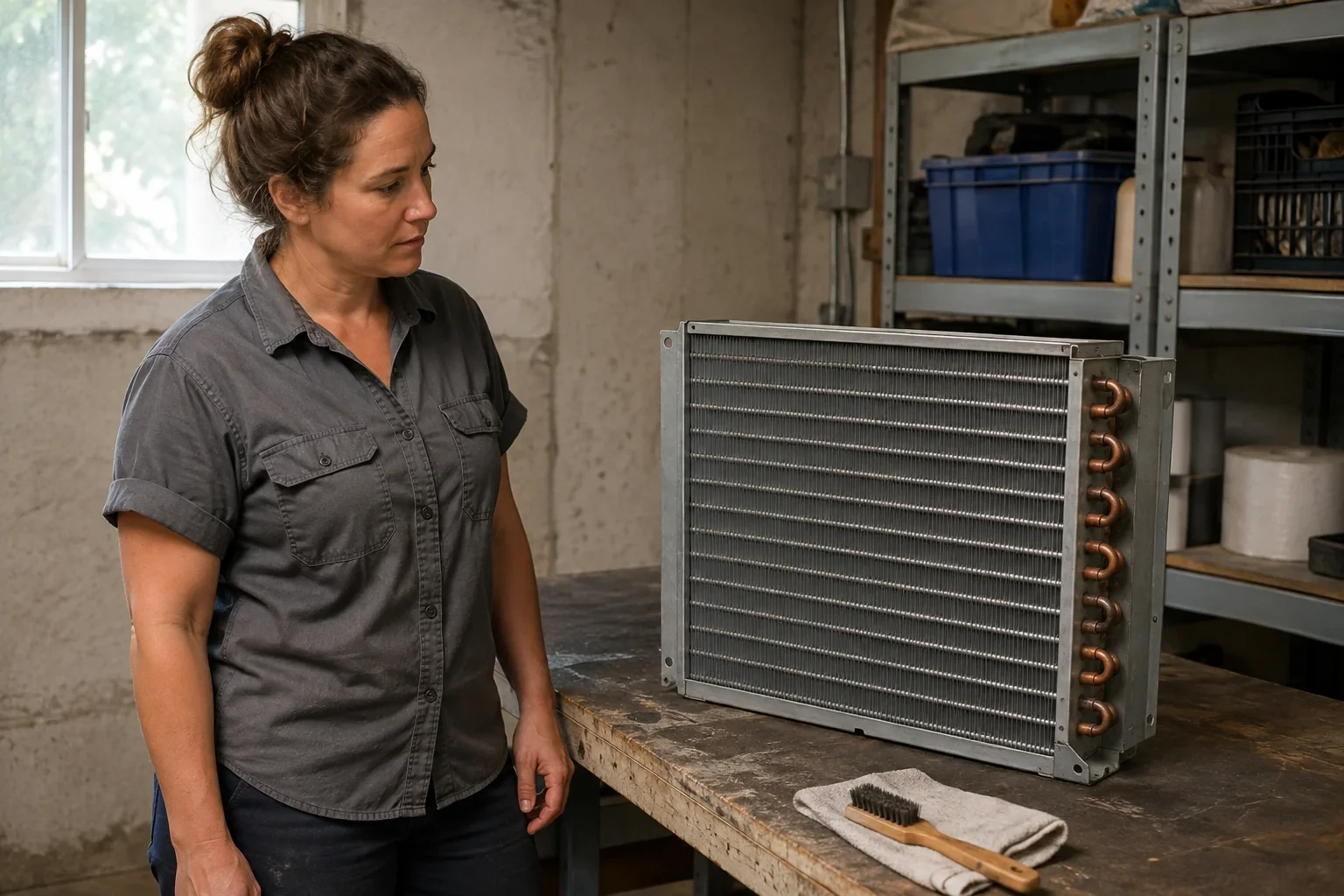
Cooling Coil Cleaning
A cooling coil is documented as dirty during HVAC service or a condition-led assessment.
Explore the service →Condition Response
Visible Mold Next-Step Assessment
There is substantial visible growth inside hard-surface ducts or on HVAC components.
Explore the service →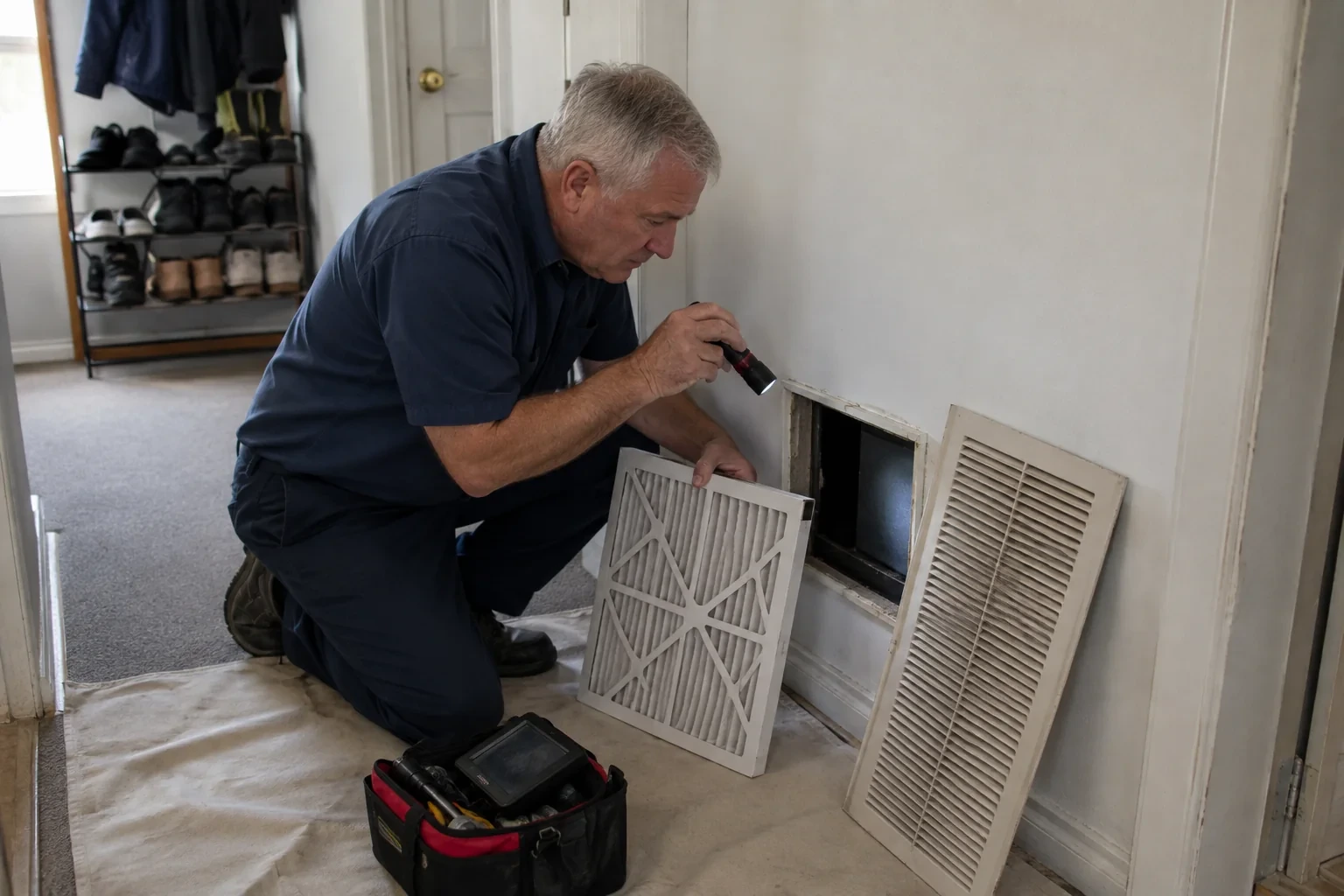
Assessment & Documentation
Pre-Cleaning HVAC Inspection
A cleaning scope has been proposed but the accessible system and materials have not been documented.
Explore the service →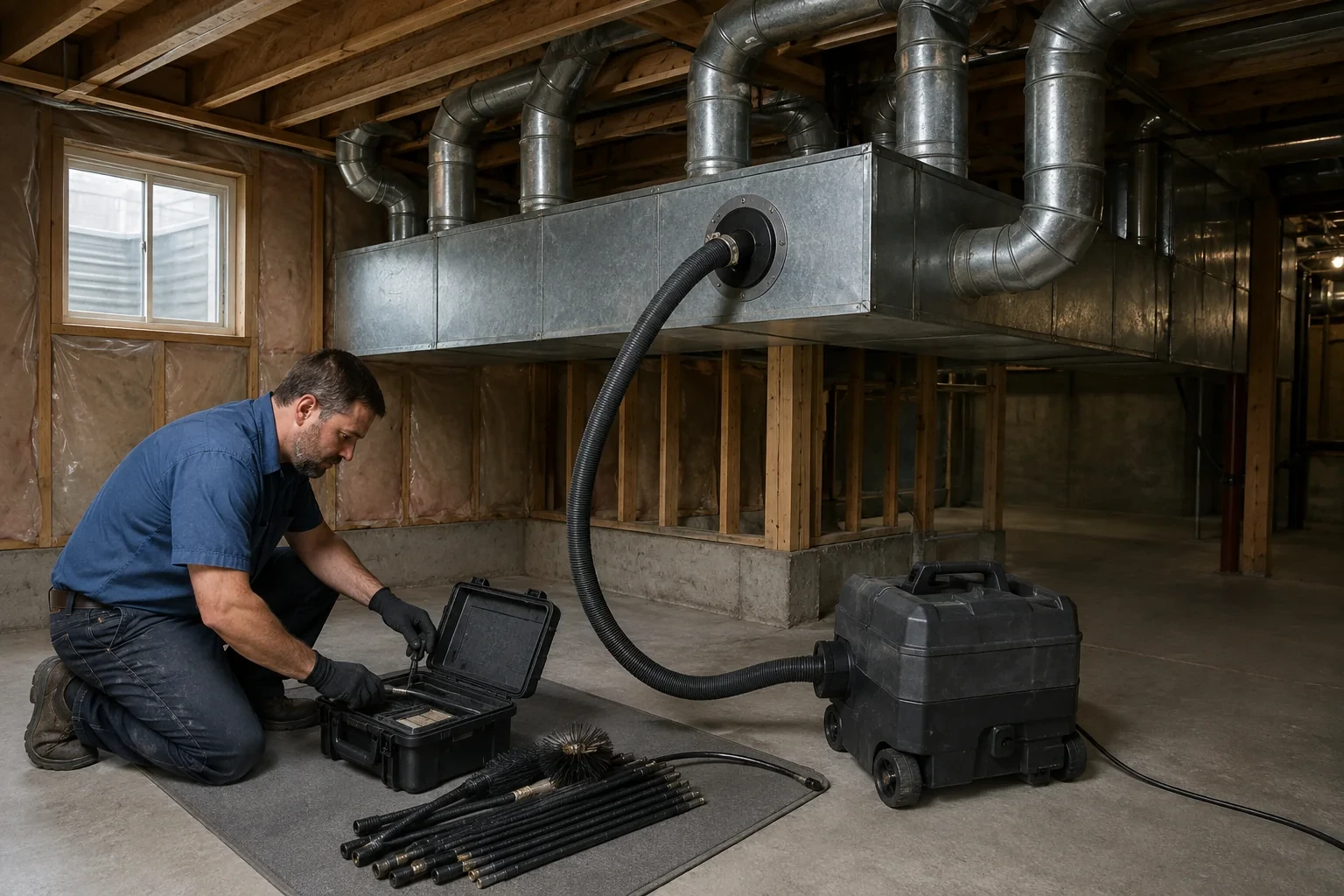
Whole-System Cleaning
Supply Duct Cleaning
Excessive debris is documented in supply-side ductwork or is being released from supply registers.
Explore the service →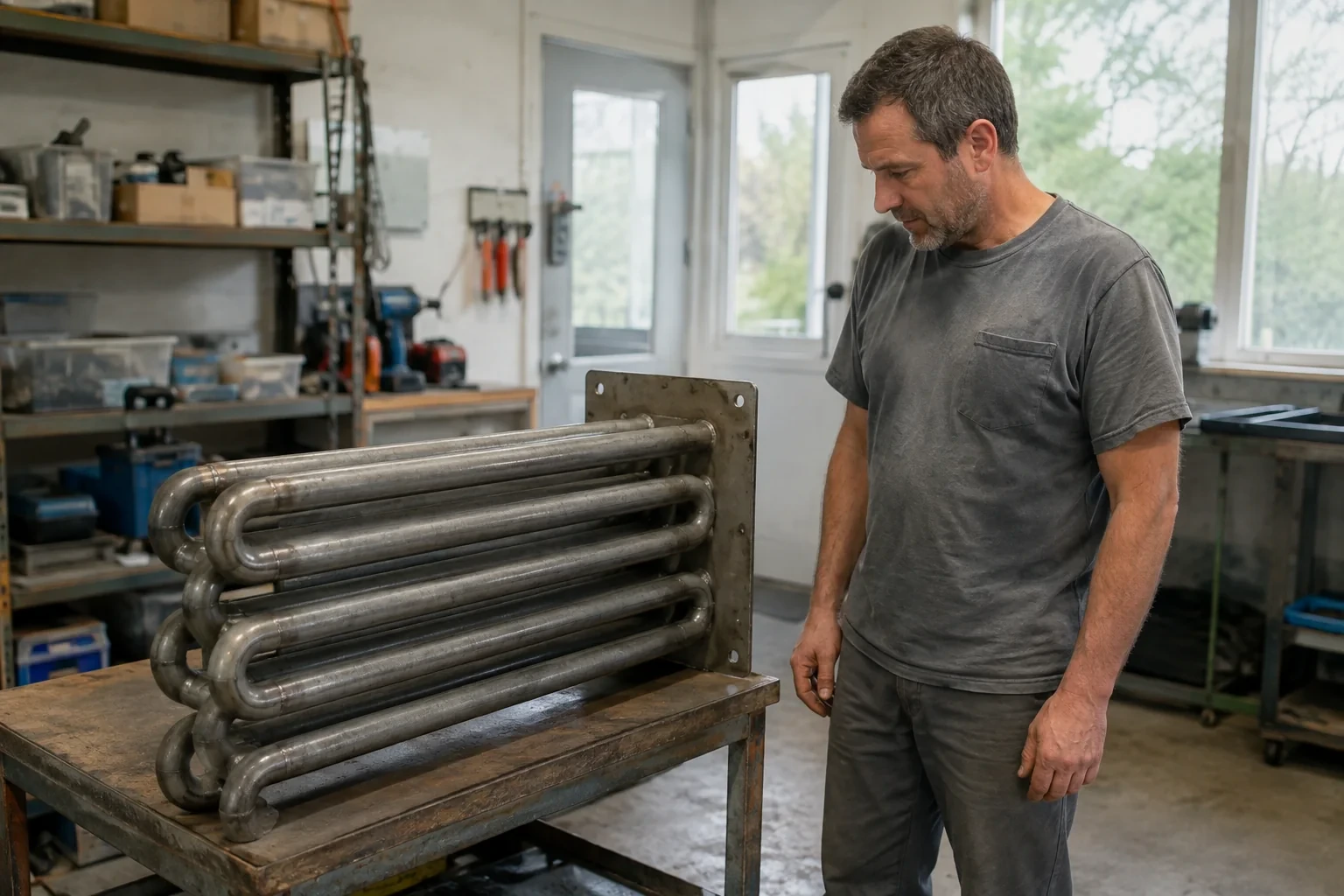
Component Care
Heat Exchanger Cleaning Assessment
A qualified HVAC assessment identifies a heat-exchanger cleaning need within its proper safety scope.
Explore the service →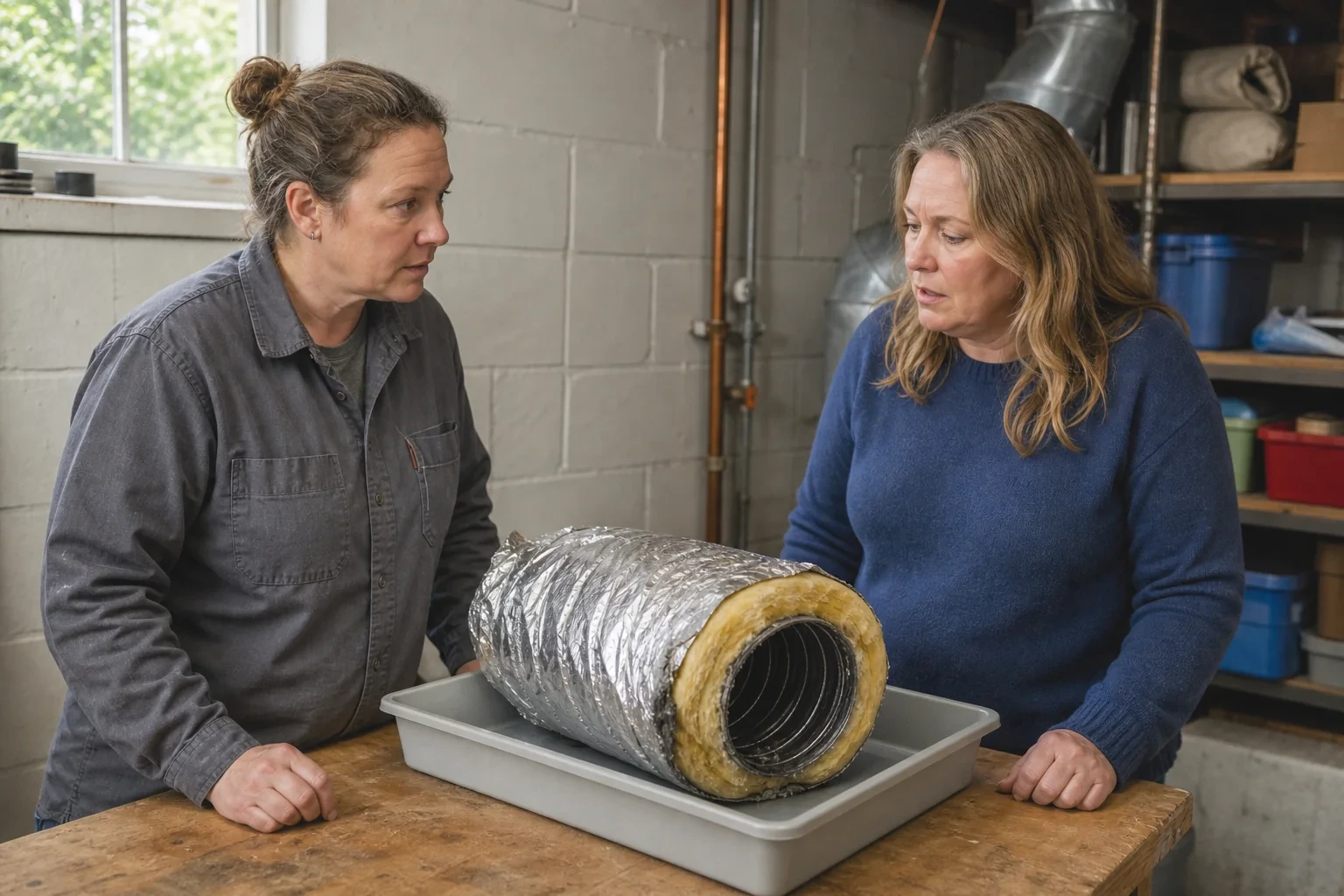
Condition Response
Wet or Moldy Fiberglass Duct Referral
Fiberglass duct board or liner is wet or visibly moldy.
Explore the service →EXPLORE THE AREA
Dover Estates
Loads Google Maps when selected.
Place reference only. Confirm service availability for your exact address.
AROUND YOUR NEIGHBORHOOD
Start close to home.
Choose your area to explore the service options. Confirm your exact address and availability when you call.
Planning your work
The City of Orlando's permitting pages state that the State of Florida requires a permit for most projects, even small ones, and that a project valued above $5,000 needs a Notice of Commencement filed with the Orange County Comptroller before work starts. For duct and air-handler work, ask which permit type the scope falls under before anything is ordered. Dover Estates sits inside Orange County, and some addresses near the city line are unincorporated and permitted by the county instead — confirm which building department covers the address. This is the authority's published guidance, not a determination about a particular property.
Read the local reference ↗Local exposure
Orange County's storm-repair guidance states that window and exterior door replacements always require a permit, that mechanical repairs including air-conditioning replacement or major ductwork repairs need one, and that replacing broken glass in an existing frame without changing its size or type does not. It also warns that unlicensed contractors may try to take advantage of residents after a storm and that work done without a permit may not be covered by homeowners' insurance. Worth reading before arranging duct and air-handler work on storm damage in Dover Estates, and worth telling the insurer about in advance.
Read the local reference ↗Local context
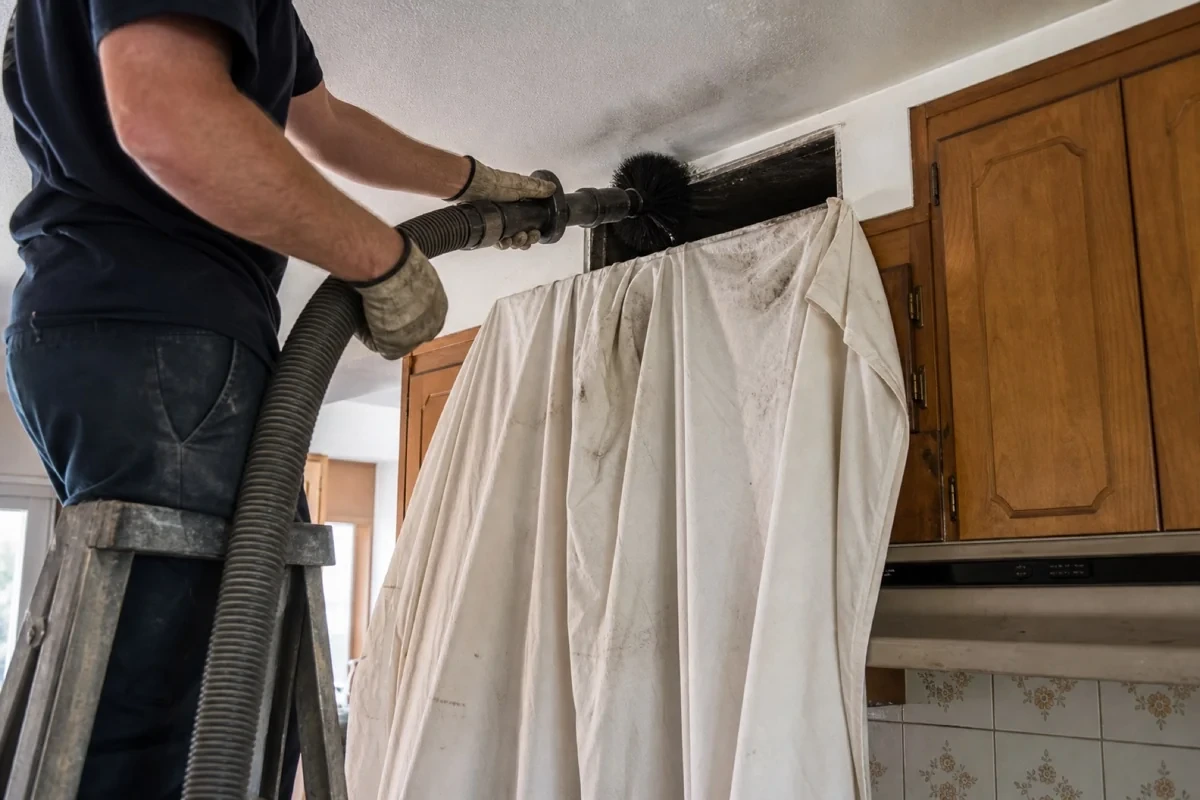
The EPA does not recommend that air ducts be cleaned routinely, but only as needed, and names three situations where cleaning may be appropriate: substantial visible mold growth inside hard-surface ducts or on other components, ducts infested with vermin, and ducts clogged with excessive dust and debris where particles are actually released into the home. The EPA also notes that no chemical biocides are currently registered for use in internally-insulated air duct systems, and does not recommend routine use of sealants to encapsulate contaminants. Ask which of those conditions was observed before agreeing to any work.
Read the local reference ↗GOOD TO KNOW
Small details. Better decisions.
BEFORE THE VISIT
Choose the right service
Ask for context before buying system cleaning. EPA does not recommend routine cleaning without a reason.
Read the guide →BEFORE THE VISIT
Prepare for the visit
What did you notice, and in which room? Was there recent renovation, moisture or pest activity? Where are the filter and air handler, if known?
Read the guide →BEFORE THE VISIT
Understand your quote
Distinguish assessment, cleaning, access restoration and referral or replacement work before comparing proposals.
Read the guide →LET’S CLEAR A FEW THINGS UP
Your questions belong here.
Does every home need routine duct cleaning?
A concern should start with an assessment of observed conditions. Visible debris, moisture, pests or another specific issue can justify a closer look, but a cleaning schedule alone does not establish that work is needed. Ask what was found and which parts of the system the proposal addresses.
What is included in a duct-cleaning proposal?
Ask which supply and return sections, registers and accessible equipment are included, how access is obtained and how loosened debris is collected. Clarify exclusions, access limitations and any separate work on the air handler. A quote for vents alone may describe a different scope from a whole-system proposal.
Can an odor be traced to the ducts from a phone call?
An odor description helps prepare the visit but does not establish its source. Explain where and when you notice it and whether it changes with system operation. Ask how the assessment will distinguish duct conditions from other possible sources before agreeing to cleaning or treatment.
What evidence should I ask for before approving work?
Request photographs or documented observations of the relevant accessible areas and a clear explanation of the proposed scope. Ask which findings were directly observed and which areas could not be accessed. Generic sample images are not evidence of your own system’s condition.
How do I prepare for a duct-system assessment?
Identify the air-handler location, note the number of systems if known and explain any access restrictions. Keep access to registers and equipment clear. Gather previous work records and describe the particular concern so the visit can focus on useful observations.
EXPLORE THE PHOTOGRAPHS
Photo gallery
Air ducts or vents?
Tell us about your system and we will call you back.