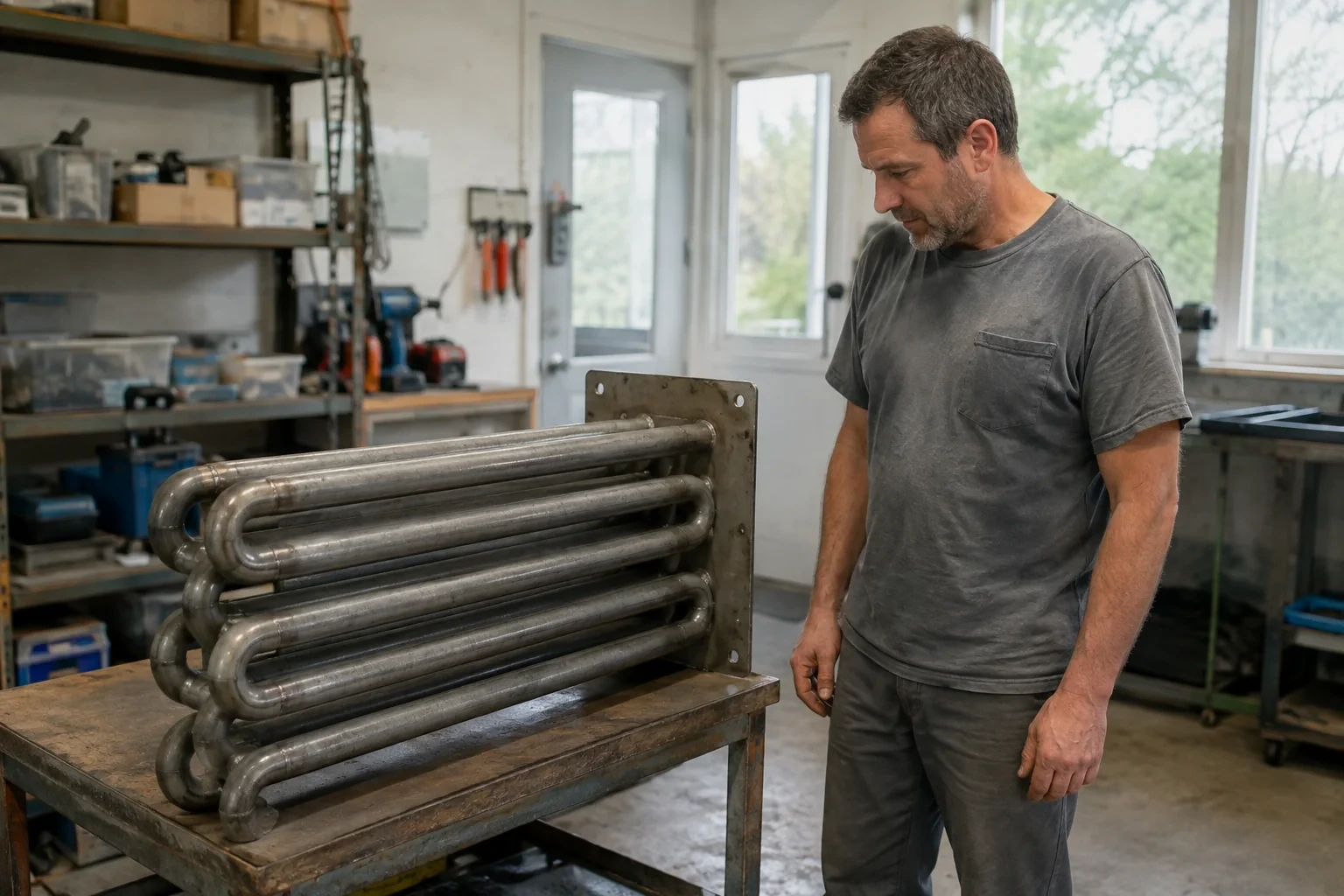
Recognize the problem
A qualified HVAC assessment identifies a heat-exchanger cleaning need within its proper safety scope.
Clarify what is included
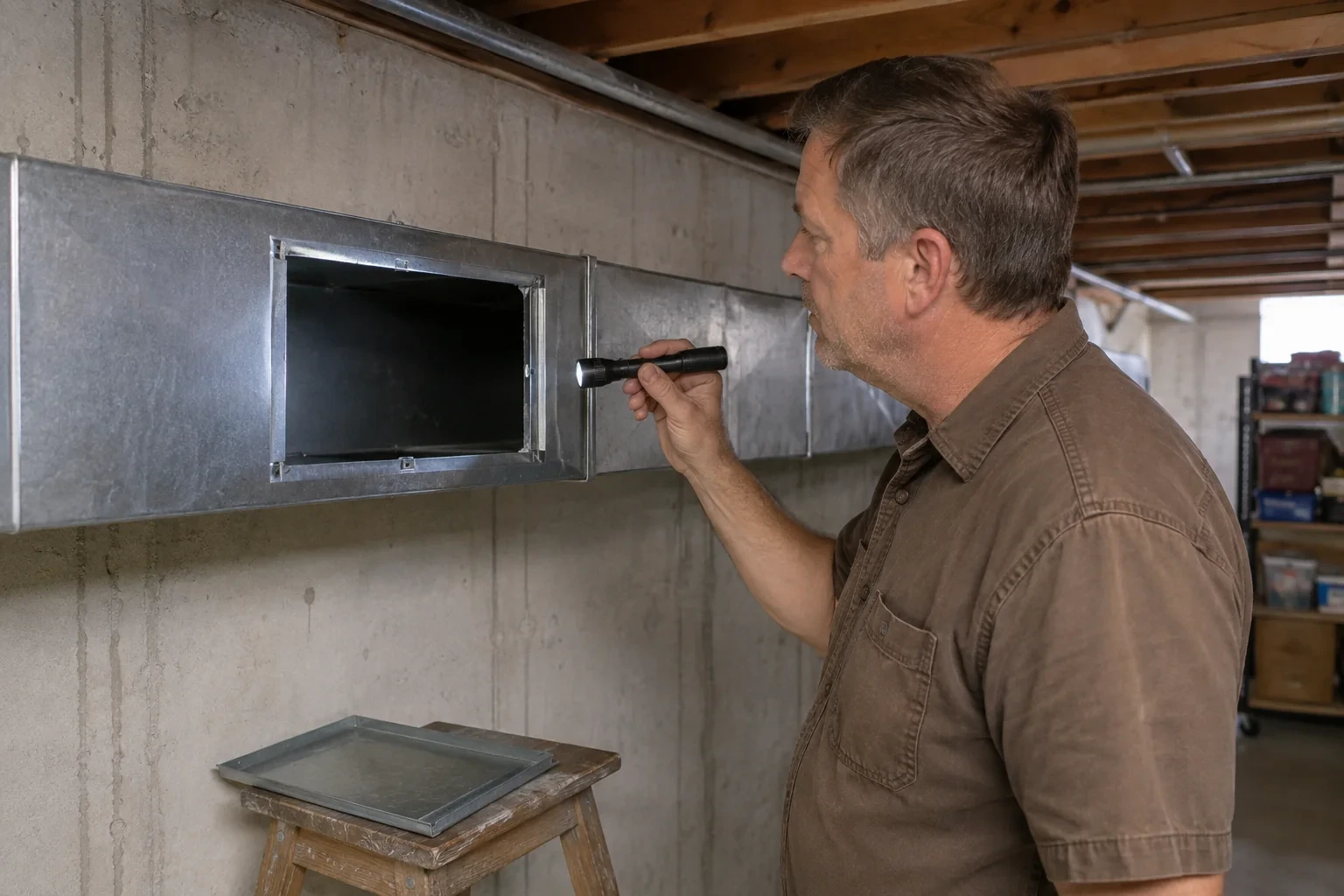
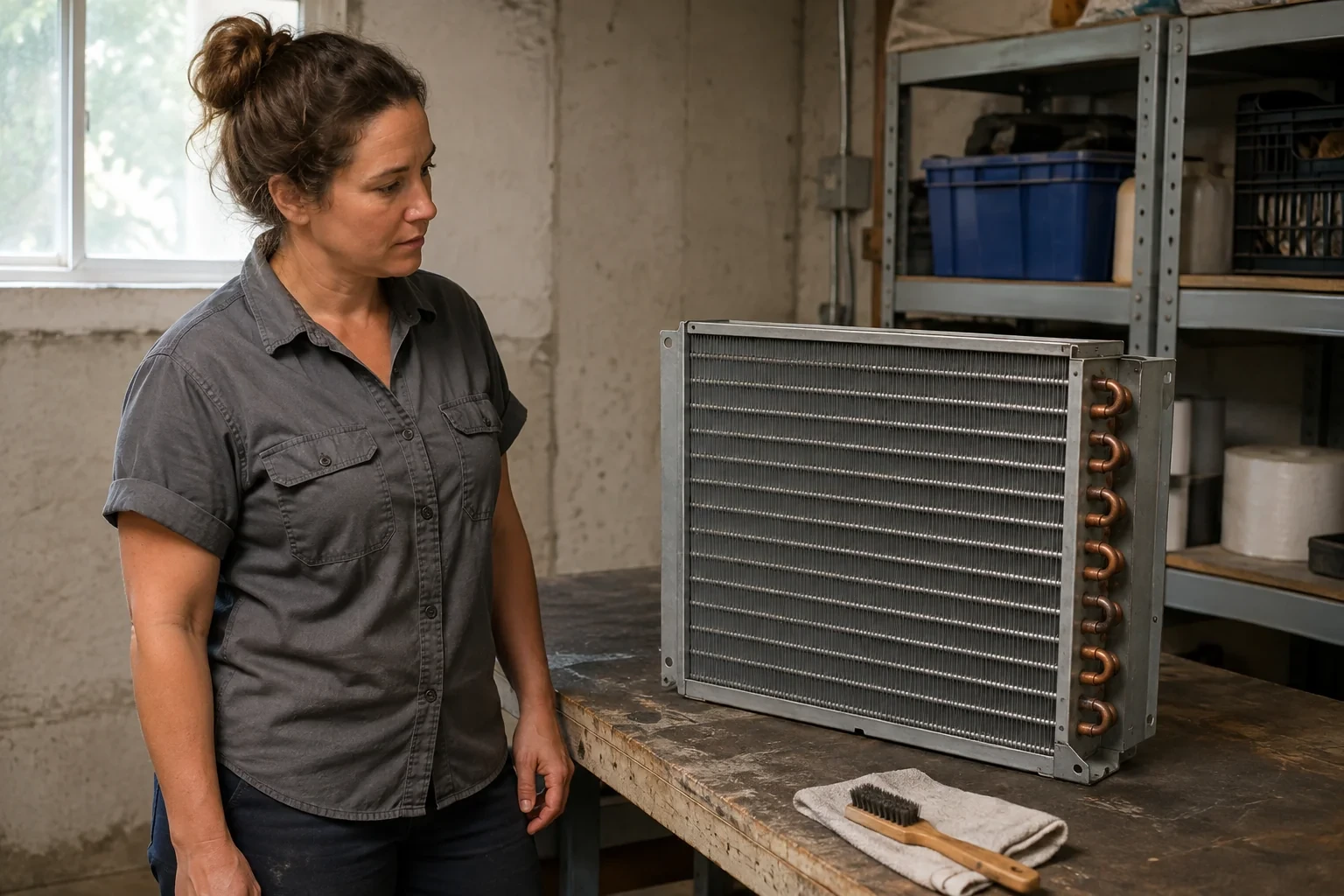
Discuss heat exchanger, access panel, qualified HVAC assessment, written scope. Separate proposed replacement parts from materials, equipment used during the visit and any report you will receive. Confirm compatibility for proposed parts.
The proposed work
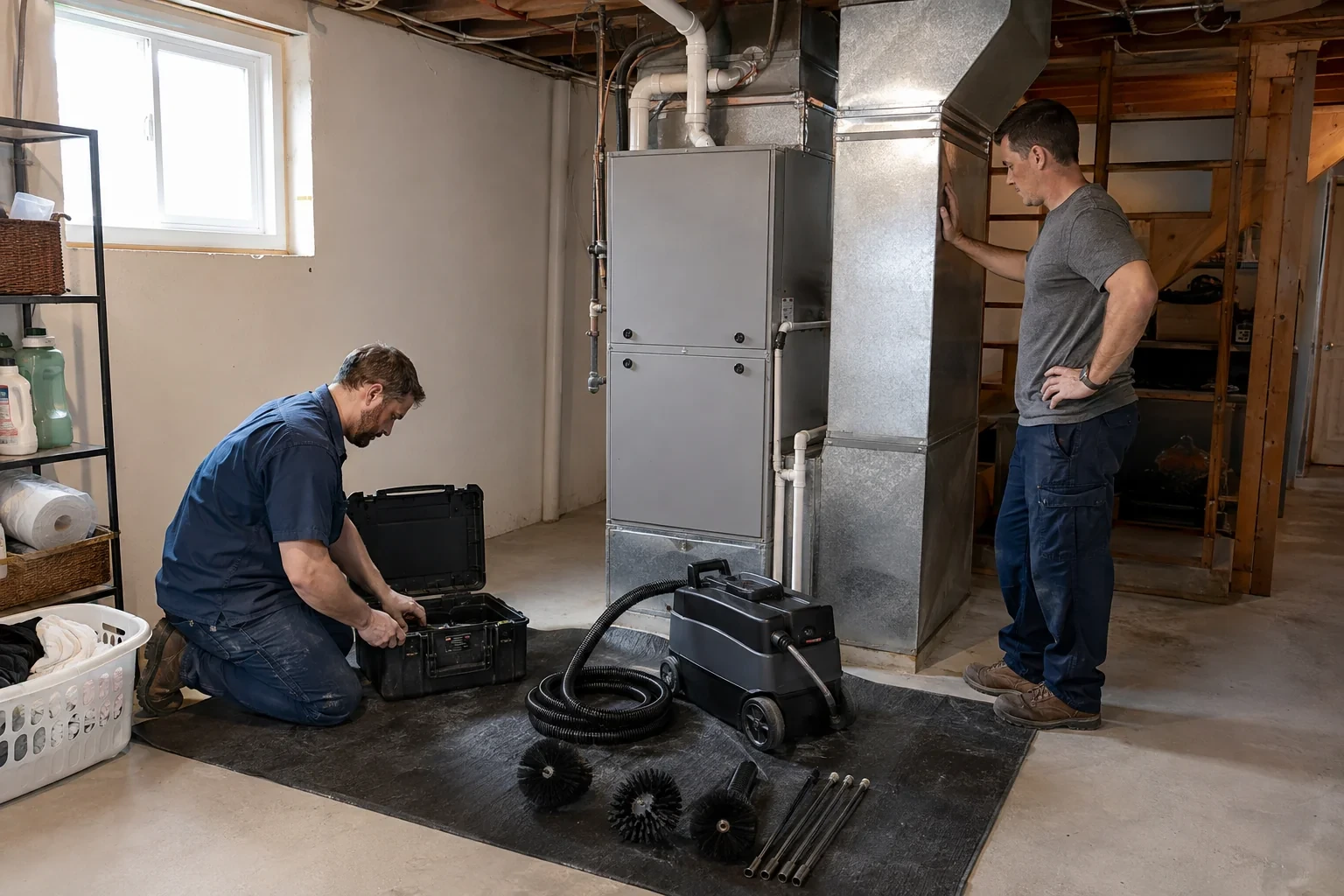
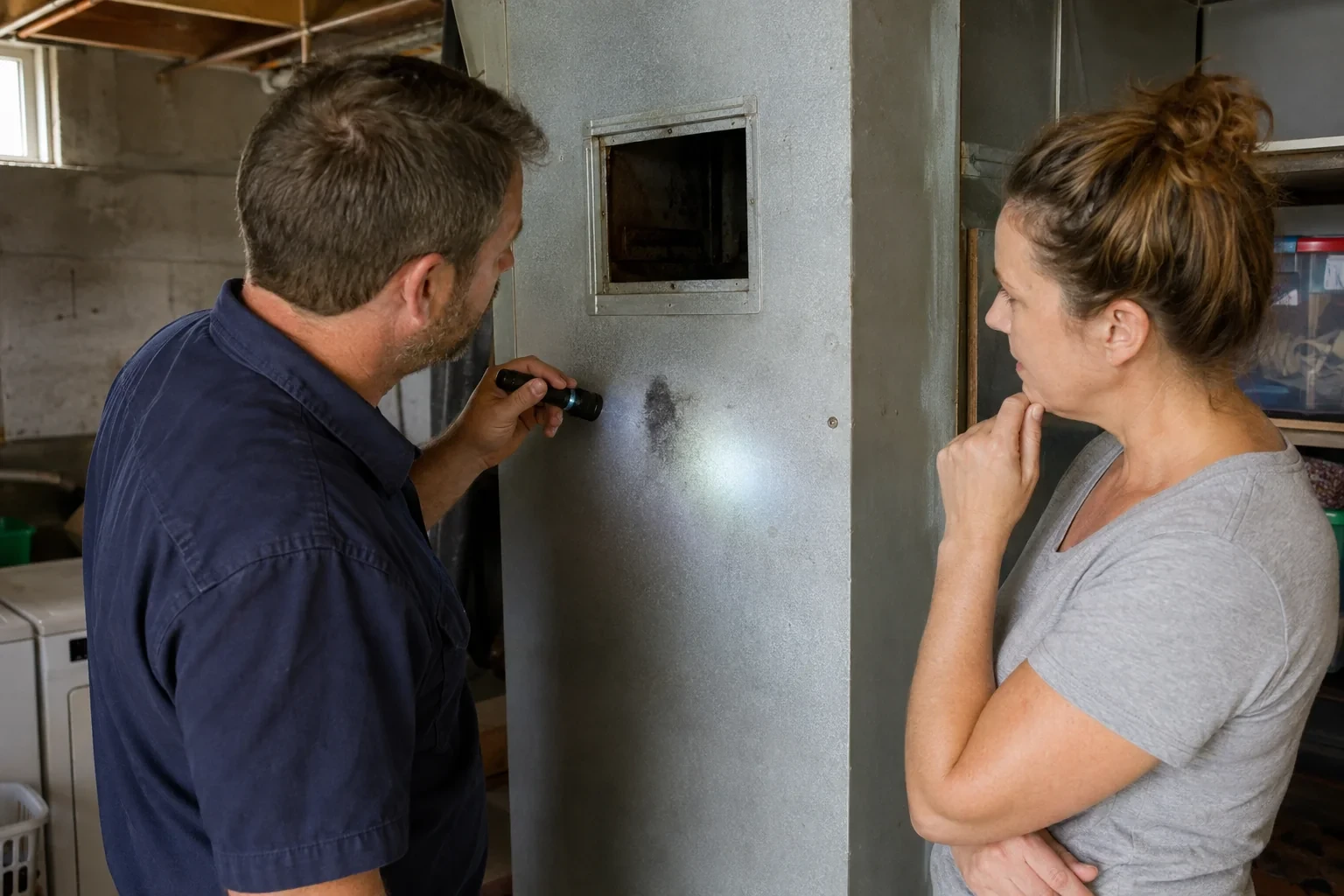
Discuss the identified component and assessment findings with the responsible HVAC professional. Ask what cleaning is proposed, what access and equipment limitations apply and which checks fall within that professional scope. A general duct-service description does not establish the condition or suitability for use of a heat exchanger.
Parts of the conversation
- heat exchanger
- access panel
- qualified HVAC assessment
- written scope
Condition, compatibility and the proposed method need to be checked before work begins.
TAKE A CLOSER LOOK
Understand the moving parts.
Around your home
Familiar spaces. Thoughtful care.
KNOW WHAT YOU ARE AGREEING TO
Before you approve the work.
Professional scope +
Identify the component and assessment findings supporting work within the responsible HVAC professional’s scope.
Access and exclusions +
List access limits and any diagnostic, repair or replacement work outside cleaning.
Documented checks +
Specify the completion records and checks included without treating the proposal as a finding of suitability for use.
Questions from the homeowner’s side.
What does heat exchanger cleaning assessment involve?
Discuss the identified component and assessment findings with the responsible HVAC professional. Ask what cleaning is proposed, what access and equipment limitations apply and which checks fall within that professional scope. A general duct-service description does not establish the condition or suitability for use of a heat exchanger.
What should the proposal say about parts, materials and equipment?
Discuss heat exchanger, access panel, qualified HVAC assessment, written scope. Ask the provider to distinguish existing parts to inspect, proposed replacements, and tools, materials or reports included in the service. Request a reason for any replacement and confirm compatibility with your equipment. A list of possible items does not mean that every item must be supplied or replaced.
Does every home need routine duct cleaning?
A concern should start with an assessment of observed conditions. Visible debris, moisture, pests or another specific issue can justify a closer look, but a cleaning schedule alone does not establish that work is needed. Ask what was found and which parts of the system the proposal addresses.
What is included in a duct-cleaning proposal?
Ask which supply and return sections, registers and accessible equipment are included, how access is obtained and how loosened debris is collected. Clarify exclusions, access limitations and any separate work on the air handler. A quote for vents alone may describe a different scope from a whole-system proposal.
Can an odor be traced to the ducts from a phone call?
An odor description helps prepare the visit but does not establish its source. Explain where and when you notice it and whether it changes with system operation. Ask how the assessment will distinguish duct conditions from other possible sources before agreeing to cleaning or treatment.
What evidence should I ask for before approving work?
Request photographs or documented observations of the relevant accessible areas and a clear explanation of the proposed scope. Ask which findings were directly observed and which areas could not be accessed. Generic sample images are not evidence of your own system’s condition.
How do I prepare for a duct-system assessment?
Identify the air-handler location, note the number of systems if known and explain any access restrictions. Keep access to registers and equipment clear. Gather previous work records and describe the particular concern so the visit can focus on useful observations.